Natural Health Bag
Best Shampoo Bar Recipe for Beginners: Easy Step-by-Step
The Best Shampoo Bar Recipe for Beginners: A Complete Guide
The best shampoo bar recipe for those just starting their DIY journey is a melt-and-pour or a simple surfactant-based "syndet" bar, as these methods provide a pH-balanced product that is gentle on the scalp without the complexity of working with lye. By combining Sodium Cocoyl Isethionate (SCI) noodles, cocoa butter, and essential oils, you can create a high-performance, plastic-free alternative to bottled shampoo that cleanses effectively while maintaining natural moisture. Unlike traditional soap bars, this specific recipe ensures your hair doesn't go through a "waxy" transition period, making it the superior choice for home crafters.
Why Choose a DIY Shampoo Bar?
Switching to a solid format is one of the most impactful changes you can make for the environment. However, finding the best shampoo bar recipe is about more than just sustainability; it is about customization. When you make your own, you control the quality of the fats, the potency of the scent, and the absence of harsh sulfates like SLS.
The Difference Between Soap and Syndet
Most beginners mistakenly use a cold-process soap recipe for their hair. However, soap has a high pH (9–10), which can damage the hair cuticle. A "Syndet" (synthetic detergent) bar uses mild, coconut-derived surfactants to match the hair’s natural pH (4.5–5.5), which is why our best shampoo bar recipe focuses on this modern approach.
Equipment and Ingredient Checklist
Before you begin, gather these essential supplies. Working with surfactants requires a clean, organized space.
| Ingredient/Tool | Purpose | Beginner Tip |
|---|---|---|
| SCI Granules | Primary cleanser (surfactant). | Wear a mask; the powder is very fine. |
| Cocoa Butter | Hardens the bar and adds moisture. | Use unrefined for a chocolatey scent. |
| BTMS-50 | Conditioning agent and emulsifier. | Essential for detangling hair. |
| Silicone Molds | Shapes the final product. | Round or oval shapes fit the hand best. |
Step-by-Step Instructions for the Best Shampoo Bar Recipe
This recipe yields approximately three 80g bars. Follow these steps precisely to ensure the bars harden correctly.
1. Preparation and Safety
Surfactants like SCI are dusty. Always wear a mask when handling the dry powder to avoid respiratory irritation. Work in a well-ventilated area and use heat-safe glass bowls.
2. Melting the Phase A (Oils and Conditioners)
In a double boiler, combine 20g Cocoa Butter, 10g Cetyl Alcohol, and 10g BTMS-50.
Heat gently until all solids have completely melted into a clear liquid.
3. Integrating Phase B (The Cleansers)
Add 50g SCI Granules and 5g Cocamidopropyl Betaine (a liquid surfactant) to the melted oil mixture.
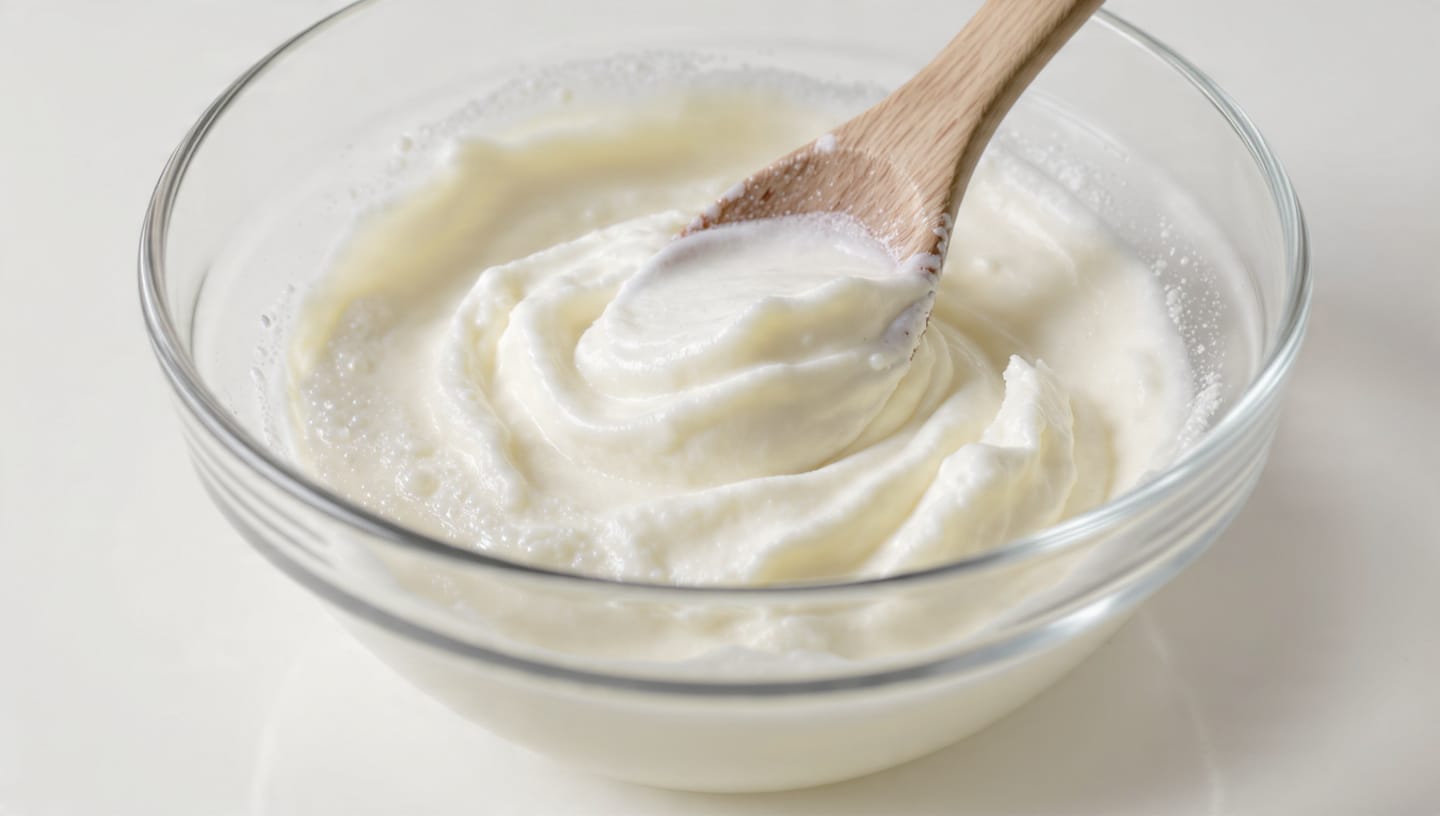
Stir continuously until it forms a thick, dough-like paste. If the "dough" is too dry, add a teaspoon of distilled water.
4. Adding Phase C (The Actives)
Once the mixture has cooled slightly (but is still pliable), add 1g Provitamin B5 (DL-Panthenol) and 2g Essential Oils (Lavender or Rosemary are excellent for hair).
Mix thoroughly to ensure even distribution of the scent.
Molding and Curing Your Bars
To make your best shampoo bar recipe look professional, the molding process is key.
Pressing: Transfer the paste into silicone molds. Press down firmly with the back of a spoon to eliminate air pockets.
Cooling: Place the molds in the freezer for 30 minutes. This helps the bar shrink slightly away from the edges for easy removal.
Curing: Unlike cold-process soap which takes weeks, these bars only need to sit on a drying rack for 24 to 48 hours to allow any excess moisture to evaporate.
Troubleshooting Common Beginner Mistakes
Even with the best shampoo bar recipe, things can occasionally go wrong.
The bar is too soft: You may have used too much liquid surfactant or not enough cocoa butter. Next time, increase the hard butters.
The bar is crumbling: This usually happens if the mixture was too cold when pressed into the mold. Re-melt the mixture gently and try again.
No lather: Ensure you are using high-quality SCI (Sodium Cocoyl Isethionate). This is the "Baby Foam" surfactant responsible for that rich, creamy lather.
How to Store and Use Your Shampoo Bar
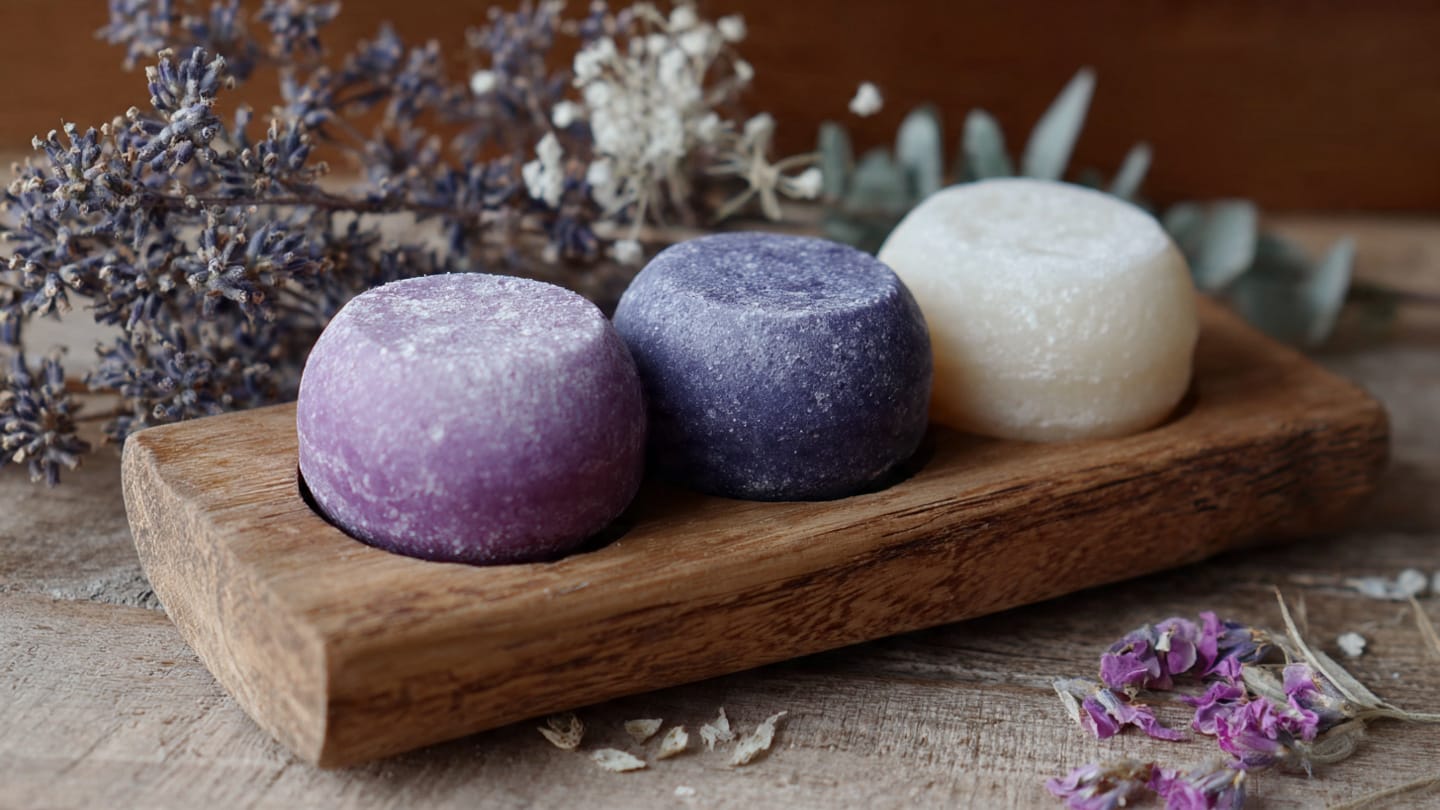
To make your handcrafted bars last as long as possible (typically 50–75 washes), follow these maintenance tips:
Drainage is Vital: Never leave your bar in a puddle of water. Use a slotted soap dish.
Air Dry: Allow the bar to dry completely between uses.
Application: Swipe the bar directly over wet hair 3–4 times, then set the bar aside and lather with your hands. A little goes a long way.
Customizing the Recipe for Your Hair Type
The beauty of the best shampoo bar recipe is its adaptability.
For Oily Hair: Replace 5g of cocoa butter with Green Clay (French Green Clay) to help absorb excess sebum.
For Dry/Curly Hair: Add 2g of Argan Oil or Broccoli Seed Oil (a natural silicone alternative) to the melted phase.
For Dandruff: Add 1% Niacinamide or use Tea Tree Essential Oil in the cooling phase.
Key Takeaways
pH Balance Matters: Use syndet-based recipes (SCI) rather than soap to protect your hair’s cuticle.
Safety First: Always wear a mask when handling surfactant powders.
Hardness is Key: Cocoa butter and Cetyl Alcohol are essential to prevent the bar from turning into "mush" in the shower.
Zero Waste: One successful batch of the best shampoo bar recipe can replace up to 3–5 plastic bottles.
Welcome to Natural Health Bag, your trusted source for holistic wellness since 2014. We specialize in providing evidence-based insights into nutrition, herbal remedies, and sustainable lifestyle shifts. Our mission is to empower you with practical tools to achieve balance and vitality naturally. Join our community as we explore the path to long-term health through mindful, nature-inspired living.
+123-456-7890000